

Hear how Ava answers the phone
Play a sample call, or leave your number for a live test call from Ava.

Free audit, about three minutes
Twenty agents test your replies, search visibility, reviews and website, then show what it costs you each month.
- No login
- Report you can share
- Calls, chat, website and search
What would your dealership save?
Typical numbers for a franchise dealership are loaded. Adjust any slider to match yours.
Estimated for , each month
Estimates from your inputs and typical recovery rates. Staff time at $25 an hour. Not a quote.
Talk to a person
A specialist walks you through AutoAid on your own website and numbers. 30 minutes, no pressure.
- See your agents answer a real enquiry
- Plan your first week, step by step
- Get a usage estimate for your volume
Tools and tasks
Things Ava can do for you right now.
Build the Future of
Automotive Retail.
Whether you are looking for plug-and-play connections to your existing CRM, or powerful REST and GraphQL APIs to build custom applications, Autoaid provides the infrastructure to make your data truly intelligent.









Growth
Savings
Plug & Play Integrations
No code required. Autoaid features native, bi-directional integrations with the industry's top CRM, DMS, and scheduling platforms. Authentication takes less than 5 minutes.
Explore the Autoaid API
Build custom dashboards, trigger AI conversations programmatically, or sync inventory directly using our RESTful endpoints.
Content-Type: application/json
Enterprise-Grade Infrastructure
Built for scale, security, and reliability. We provide the tools your engineering team needs to build robust automotive applications.
Real-Time Webhooks
Don't poll the API. Subscribe to real-time events. Get instantly notified when a new lead is captured, an intent score increases, or an AI conversation is handed off.
SOC 2 Type II Certified
Your data is encrypted at rest and in transit (TLS 1.3). We utilize OAuth 2.0 and scoped API keys to ensure your dealership's data remains perfectly secure.
Official SDKs
Hit the ground running. We maintain official, fully-typed client libraries for the most popular backend languages.
Developer Sandboxes
Test your integrations safely. Every developer account comes with a fully isolated sandbox environment populated with mock dealership data, inventory, and synthetic leads.
Developer FAQs
What are the API rate limits?
Standard API keys are limited to 1,000 requests per minute per IP address. Enterprise customers receive dedicated rate limits up to 10,000 requests per minute. All requests include standard `X-RateLimit-*` headers to help you handle throttling gracefully.
Do you offer GraphQL alongside REST?
Yes. While our REST API covers 100% of the platform's functionality, we also expose a fully-typed GraphQL endpoint (`/graphql`) ideal for complex reporting dashboards or custom frontends where you need to fetch nested relations (e.g., retrieving a Lead, their Intent Score, and full Chat Transcript in a single query).
How do webhook retries work?
If your server fails to acknowledge a webhook with a `2xx` status code, our system implements exponential backoff. We will retry sending the payload 5 times over a 24-hour period. You can monitor webhook health and view payload histories in the Developer Dashboard.
Are API breaking changes versioned?
Absolutely. We use strict URI versioning (e.g., `/v1/`, `/v2/`). We guarantee backwards compatibility within a major version. If a v2 is released, the v1 API will remain supported and operational for a minimum of 18 months before deprecation.
Ready to start building?
Get your API keys in minutes. Access the full documentation and join our developer community.
An AI agent that cannot read your DMS or write to your CRM is a chatbot. The integrations are the product.
Every promise on this site depends on a connection. Booking a service appointment with the right op codes means writing to the scheduler. Quoting a payment on a specific stock number means reading live inventory and lender rules. Logging the transcript and the next task means writing to the CRM in the format your reps already work in. If the connection is a nightly CSV, none of that happens reliably, and the store ends up with another inbox to check.
AutoAid is built integration first. Certified bi-directional connectors cover the major DMS platforms (CDK, Reynolds and Reynolds, Dealertrack, PBS, Autosoft), the CRMs most stores run (VinSolutions, DealerSocket, Elead, DriveCentric, HubSpot, Salesforce), service schedulers, inventory and website feeds, phone systems and ad accounts. Authentication takes minutes, data flows both ways, and every record carries the dealership and rooftop it belongs to. The same connections power every agent, every campaign and the reporting layer.
For everything else there is a REST and GraphQL API, real-time webhooks, official SDKs and a sandbox with mock dealership data. Dealer groups and vendors use them to build custom dashboards, trigger conversations from their own systems and move data into their warehouse. Where a group needs something that does not exist yet, the AutoAid engineering team builds it.
Native DMS and CRM connectors, both directions
Connectors are maintained by AutoAid, certified where the vendor runs a program, and monitored around the clock. From the DMS the platform reads inventory, cost, deals, service history, ROs, customers and vehicles, and writes appointments, notes and leads back. From the CRM it reads leads, activities, tasks and consent flags, and writes conversations, outcomes, appointments and next tasks as structured events so your reports and workflows keep working. Sync runs every 15 minutes for most systems and in real time where the vendor supports it.
Nothing is exported by hand, and if a connector is interrupted, the status page and your admin contact know before your reps do.
- Bi-directional sync with the CRM as the system of record
- Consent, opt-out and do-not-call flags carried with every record
- Connector health, last sync and error queue visible in the admin panel
- DMS: inventory, deals, service history, ROs, customers
- CRM: leads, activities, consent flags, appointments, tasks
- Scheduler: availability, op codes, advisors, loaners
- Phone and SMS: numbers, recordings, transcripts
- Inventory feed and website: VDPs, photos, pricing, forms
- Ad accounts: audiences, spend, conversions
Webhooks and an API for what the connectors do not cover
Groups with their own engineering team, and vendors building on the platform, get the same access the connectors use. The REST API covers the full platform and the GraphQL endpoint is there for nested queries such as a lead, its intent score and the full transcript in one call. Webhooks fire on the events that matter in a store, lead captured, conversation handed off, appointment booked, inventory synced, and retry with backoff until your endpoint acknowledges. Official SDKs, URI versioning and a sandbox with synthetic dealership data mean an integration can be built and tested without touching live customers.
- REST and GraphQL with scoped keys per rooftop and per purpose
- Webhook events with signed payloads, retries and a delivery log
- Sandbox with mock inventory, leads and conversations for every developer account
Website form posts to the group's own lead router, which calls the AutoAid API to start a conversation.
Agent replies by text. Webhook conversation.started hits the group warehouse endpoint.
Customer asks about a trade. Webhook conversation.handoff fires with the reason and the transcript URL.
Rep picks up in the CRM. Appointment booked. Webhook appointment.booked updates the group dashboard.
DMS deal logged. The warehouse joins it to the original form and reports cost per sold unit by source.
Security, single sign-on and data control your IT team can sign off
Dealership data includes credit applications, driver licences and phone recordings, so the controls are not optional. Data is encrypted in transit and at rest, access is role-based per rooftop, every read and write is logged, and the platform is audited against SOC 2 Type II. Single sign-on through Google Workspace, Microsoft Entra and Okta lets the group control who can log in and what they see from one directory. Data residency options cover Canada and the US, and PIPEDA, CCPA and GDPR requests are handled through documented processes. See the security and compliance page for the full list of controls.
- SOC 2 Type II, encryption in transit and at rest, scoped API keys
- SSO with Google Workspace, Microsoft Entra and Okta, with role mapping
- Data residency in Canada or the US, with export and deletion on request
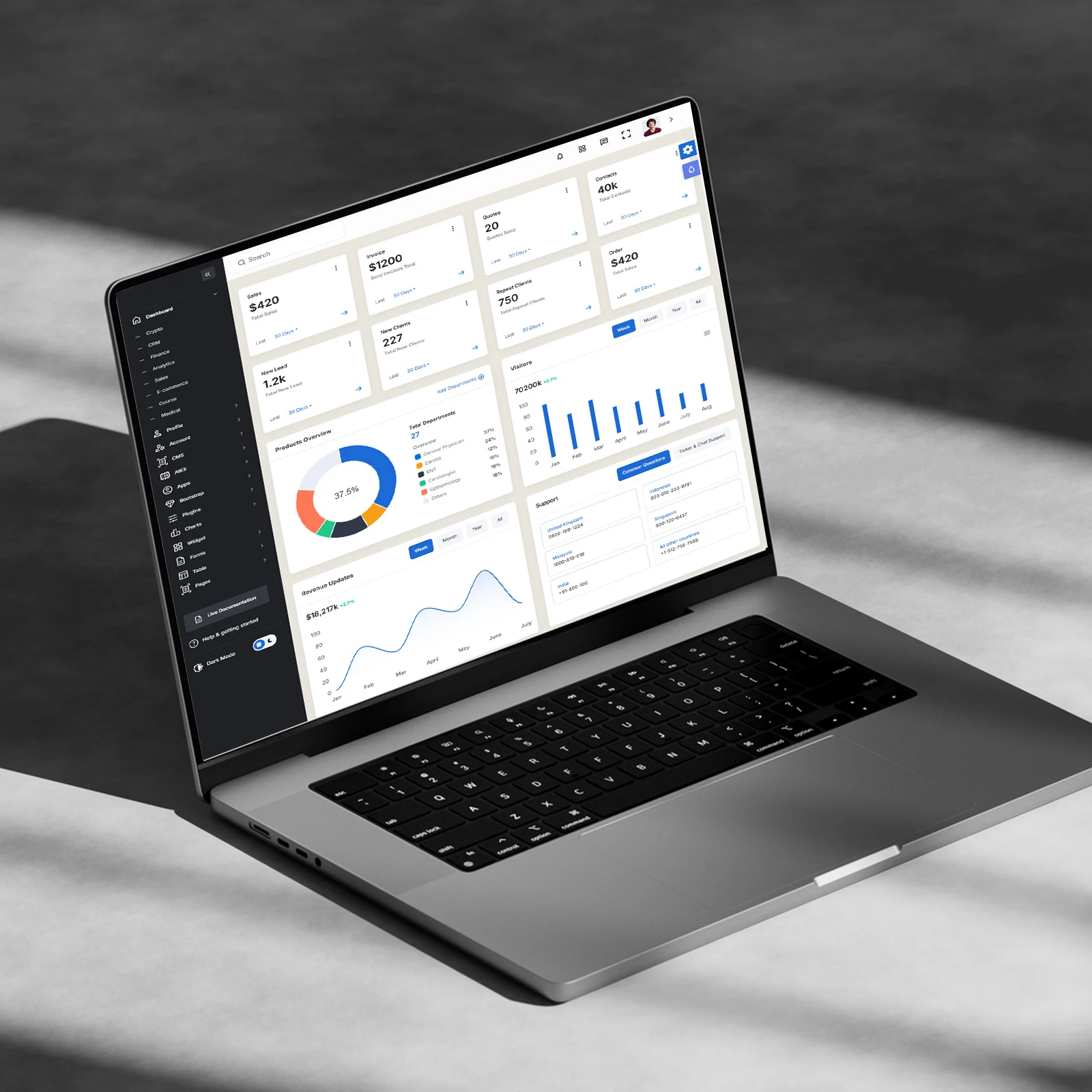
Custom development for groups and vendors
Every group has a system the connectors do not know: a home-grown desking tool, a regional lender portal, a legacy loyalty database, an OEM program feed. The AutoAid engineering team scopes and builds these integrations, along with custom agent skills, bespoke dashboards and data pipelines into Snowflake or your warehouse, on a fixed quote with a named engineer. Vendors can partner to put their product inside the agent, for example a trade appraisal tool the agent calls on a customer's behalf.
- Custom connectors, agent skills and dashboards on a fixed-scope quote
- Warehouse pipelines to Snowflake, BigQuery or AWS on your schedule
- Vendor partnerships with revenue share and co-marketing
Uptime and delivery figures are typical for current customers, not guarantees. Every custom project ships with documentation and a test suite.
Connected in days, with your IT team in the loop
Standard connectors need no development. Custom work starts with a scoping call and a fixed quote.
- 1Inventory the stack
List the DMS, CRM, scheduler, phone system, feeds and ad accounts per rooftop. We confirm which have certified connectors and which need the API.
- 2Authenticate and map
Vendor credentials or OAuth, then field mapping for leads, appointments and outcomes so records land where your reps expect them.
- 3Test in the sandbox
Run agent conversations and campaigns against synthetic data, check the CRM entries and webhook payloads, and sign off with IT.
- 4Go live and monitor
Connector health, sync times and errors are visible in the admin panel, with alerts to your admin contact and ours.
Built for the systems a dealership actually runs
CDK, Reynolds and Reynolds, Dealertrack, PBS and Autosoft for inventory, deals, service history and customers, read and write.
VinSolutions, DealerSocket, Elead, DriveCentric, HubSpot and Salesforce, with conversations and appointments logged as native records.
Availability, op codes, advisors and loaners read live so the service agent books correctly the first time.
RingCentral, Twilio and SIP trunks for calls and texts, with recordings and transcripts attached to the customer record.
Looker Studio, Power BI, Snowflake and your own warehouse through the read-only API and scheduled exports.
Home-grown tools, OEM program feeds, lender portals and partner products connected by the AutoAid engineering team.
What changes when the connections are real
Ranges from the stores AutoAid has audited and onboarded. Your numbers depend on volume, inventory and how fast you reply today; the free audit measures them.
Typical ranges, not a quote. The savings calculator and the free audit give your store's own numbers.
Nightly exports versus certified, bi-directional integration
| Nightly files and one-way exports | AutoAid Integrations and API | |
|---|---|---|
| Inventory | Yesterday's stock list. The agent quotes a car that sold at noon. | Live inventory, pricing and status, synced every 15 minutes or in real time. |
| CRM record | A note pasted in, or nothing. | Conversation, outcome, appointment and next task written as native records. |
| Service booking | An email to the advisor to book it by hand. | Written to the scheduler with op codes, allowance and advisor. |
| Custom needs | Not possible, or a six-month vendor project. | REST and GraphQL API, webhooks, SDKs and a sandbox; custom builds on a fixed quote. |
| Security | Shared logins and files in email. | SSO, role-based access, scoped keys, audit logs and SOC 2 Type II. |
| When it breaks | Nobody notices until a customer complains. | Connector health and alerts in the admin panel, to your admin and ours. |
Plugs into the tools your store already runs on
Two way sync with your CRM, DMS, phone system and calendars, so every conversation, appointment and note lands where your team already works. No rip and replace.
More questions about Integrations and Development
Straight answers for GMs, BDC managers and fixed ops directors comparing options. Anything missing? Ask Ava from the header, or:
Do you integrate with our DMS, and what does the connector read and write?
CDK, Reynolds and Reynolds, Dealertrack, PBS and Autosoft are covered by certified connectors. The platform reads inventory, cost, deals, customers, vehicles, service history and ROs, and writes appointments, leads and notes back. Access follows the vendor's program rules, and your dealer principal authorises the connection through the vendor's own process.
Which CRMs are supported, and does the CRM stay the system of record?
VinSolutions, DealerSocket, Elead, DriveCentric, HubSpot and Salesforce have native bi-directional connectors, and Zapier covers long-tail tools. The CRM remains the system of record: conversations, outcomes, appointments and tasks are written there as native records, your workflows and reports keep running, and reps never have to log into a second inbox.
How long does the integration setup take?
Standard CRM and scheduler connectors authenticate in minutes and most single rooftops are fully connected on the first day. DMS connections depend on the vendor's approval process and typically take a few business days. Custom integrations are scoped on a call and usually delivered in two to six weeks with documentation and a test suite.
Can our group use single sign-on?
Yes. SSO through Google Workspace, Microsoft Entra and Okta is supported with role mapping, so a user's rooftop and permissions come from your directory. When someone leaves, disabling them in the directory removes their access to the platform. Access logs are available to your IT lead and audited under SOC 2 Type II.
Where is our data stored, and can we get it out?
Data residency options cover Canada and the US, and the region is fixed per account. Everything the platform holds about your customers and conversations is yours: you can export it through the API, scheduled files or a warehouse pipeline at any time, and request deletion under PIPEDA, CCPA or GDPR through a documented process.
Can we connect our own tools that are not on the list?
Yes. The REST and GraphQL API, webhooks and SDKs are available to every group plan, with a sandbox of synthetic dealership data for building and testing. If you would rather not build it, the AutoAid engineering team scopes the work and delivers it on a fixed quote with a named engineer.
How do webhooks and the API handle rooftops in a dealer group?
Every record carries a dealership and rooftop identifier, and API keys are scoped to the rooftops and purposes you choose. Webhooks can be subscribed at group level or per store, so a central warehouse receives everything while a store-level system sees only its own events. Rate limits are set per key, with enterprise limits available.
What does integration cost?
Standard connectors, the API, webhooks and SSO are included in the platform plans, billed month to month per rooftop with no setup fee. Full BDC plans start from about $1,299 per rooftop a month. Custom development is quoted per project with a fixed scope. See the pricing page for the current tiers.
What happens when a vendor changes their API?
AutoAid maintains the connectors. Vendor changes are tracked, tested in the sandbox and rolled out without action on your side. If a connector is interrupted, the health status and error queue show in the admin panel, alerts go to your admin contact and ours, and conversations continue with the last synced data until the link is restored.
Related solutions
Bring your stack to the demo
Book a demo and tell us your DMS, CRM and scheduler. We will show the connectors live and the CRM records an agent conversation creates. Or start the free audit: it maps your current systems and flags where data is moving by hand.
Latest from the Newsroom
Product updates, AI insights, and dealership success stories.
How AI is Reshaping the Modern BDC in 2026
Oct 18, 2025Discover why traditional BDC models are failing and how dealerships are leveraging autonomous conversational agents to achieve zero-minute response times.

Introducing: Predictive Equity Mining 2.0
Oct 12, 2025Our latest release connects directly to your DMS to mathematically identify customers ready to upgrade, automatically deploying personalized SMS campaigns.

The End of Traditional Lead Gen: Identity Resolution
Sep 20, 2025Stop relying solely on forms. Learn how to de-anonymize your website traffic and match IPs to real identities to capture the 95% of shoppers who bounce.
See what twenty agents would fix at your store
Free audit in about three minutes. Ava calls your sales line, opens your chat, checks your listings and reviews, and shows what slow replies cost.